Monday, October 27, 2025

Capital Compliance: A Pretoria Handbook for ISO and SANS 1395-1.

For businesses in Pretoria, Gauteng, pursuing formal certification is the surest way to demonstrate credibility, commitment to quality, and operational excellence. Whether you’re aiming for a globally recognized ISO Certification or the vital local transport standard, SANS 1395-1, here is your guide to the process and why these certifications matter.

How to Get ISO Certification Pretoria: A Step-by-Step Roadmap ðŸ—º️

Getting ISO Certification in Pretoria is a structured journey of continuous improvement, not a single event. The fundamental process applies to all major standards, such as ISO 9001 (Quality), ISO 14001 (Environment), and ISO 45001 (Health & Safety).

1. Planning and Gap Analysis

  • Select Your Standard: Choose the relevant ISO standard (e.g., ISO 9001 for Quality).
  • Initial Assessment (Gap Analysis): A consultant or internal expert in Pretoria reviews your current processes against the chosen ISO standard’s requirements. This identifies the “gaps” you need to close.

2. Documentation and System Development

  • Define Your Management System: Develop and document all necessary policies, procedures, and processes (e.g., Quality Manual, Standard Operating Procedures). This is where you formally establish how your organisation meets the standard.
  • Training: Train your employees on the new system and their roles within it. This is crucial for successful implementation.
3. Implementation and Internal Audit
  • Implement the System: Put the documented processes into action and start collecting records and evidence of compliance. The system must run for a specified period (usually at least 3 months) before the external audit.
  • Internal Audit: Conduct a full “dress rehearsal” audit on your new system to identify any non-conformities and opportunities for improvement.
4. External Audit and Certification
  • Choose an Accredited Certification Body: Select a reputable, accredited third-party body (often SANAS accredited in South Africa) to perform the official certification audit.
  • Stage 1 Audit (Document Review): The auditor reviews your documentation.
  • Stage 2 Audit (On-Site Audit): The auditor visits your Pretoria premises to verify that your team is following the documented procedures and that the system is effective.
  • Certification: If the audit is successful and any minor non-conformities are closed, you are awarded your ISO Certification! ðŸŽ‰

The Importance of SANS 1395-1 Pretoria (RTMS) for Transport

While ISO standards are global, SANS 1395-1 is a critical national standard in South Africa, often referred to as the Road Transport Management System (RTMS).

What is SANS 1395-1?

SANS 1395-1:2019 specifies the requirements for a management system focused on road safety, compliance, and infrastructure preservation for heavy vehicle transport operators. For logistics and trucking companies operating from Pretoria and across Gauteng, this certification is a powerful business tool.

Key Focus Areas of SANS 1395-1

Certification to SANS 1395-1 is a voluntary commitment to:

  1. Safety & Compliance: Ensuring vehicles are roadworthy (daily checks, maintenance) and drivers comply with traffic laws (speed, driving hours).
  2. Loading Control: Preventing overloading to preserve road infrastructure and ensure safer transport.
  3. Driver Wellness: Monitoring medical fitness, managing fatigue, and ensuring adequate rest periods.
  4. Training & Development: Providing ongoing training on defensive driving and fatigue management.

The Business Case in Pretoria

Achieving SANS 1395-1 Pretoria certification demonstrates to clients (especially in mining, manufacturing, and retail) that your transport operation adheres to the highest national standards for safety and compliance. It is often a prerequisite for securing large, valuable contracts in the South African logistics sector.

Whether you are seeking global credibility with an ISO standard or national compliance with SANS 1395-1, taking the step toward formal certification in Pretoria is a smart strategic decision for any growing business.

Sunday, October 26, 2025

Gauteng Growth Strategy: Harnessing the Value of ISO Standard Training.

 In today’s competitive global market, demonstrating a commitment to excellence, safety, and sustainability is no longer optional—it’s essential. For businesses across Pretoria, Gauteng, and beyond, achieving and maintaining international standards is the key to unlocking new opportunities and driving sustainable growth.

The fastest and most effective way to equip your organisation for this journey is through specialized ISO Training in Pretoria. Investing in your team’s knowledge of ISO standards is an investment in your company’s future success.

Why Choose ISO Training Locally in Pretoria?

While online courses offer flexibility, opting for a local Pretoria service provider offers unique advantages:

  • Regional Relevance: ISO Training materials and case studies are often tailored to the South African business context and local regulatory environment in Gauteng.
  • Networking Opportunities: Connect with other professionals and industry leaders in your region.
  • Convenience and Support: Access to on-site or blended learning options with local support and expertise.

Here’s a closer look at the core training areas that can transform your operations:

1. Mastering Quality: ISO Quality Management System (ISO 9001)

Quality is the foundation of customer trust. Training in the ISO Quality Management System (ISO 9001) standard provides your team with a systematic approach to consistently delivering products and services that meet customer and statutory requirements.

What your team will gain:

  • Streamlined Processes: Identify and eliminate inefficiencies, leading to better operational performance.
  • Customer Focus: Embed a culture of continuous improvement centred on meeting and exceeding customer expectations.
  • Global Recognition: Ensure your processes align with the world’s most recognised quality standard, enhancing your reputation in Pretoria and internationally.

2. Prioritising People: ISO Health and Safety Management System (ISO 45001)

A safe workplace is a productive workplace. The ISO Health and Safety Management System (ISO 45001) training is crucial for reducing occupational risks and creating a healthier, safer environment for your employees.

The impact of this training:

  • Risk Mitigation: Learn to proactively identify hazards and manage occupational health and safety risks.
  • Legal Compliance: Ensure adherence to all relevant OHS laws and regulations in South Africa.
  • Employee Well-being: Boost staff morale and retention by demonstrating a clear commitment to their safety and health. This is a non-negotiable for any forward-thinking business in Gauteng.
3. Securing the Future: ISO Environmental Management System (ISO 14001)

Corporate responsibility increasingly includes environmental stewardship. ISO Environmental Management System (ISO 14001) training empowers your organisation to manage its environmental impact effectively, leading to both a healthier planet and a healthier bottom line.

Key benefits for your business:

  • Resource Efficiency: Implement strategies to reduce waste, save energy, and manage resources more efficiently.
  • Compliance and Reputation: Meet environmental regulatory requirements and enhance your public image as a responsible corporate citizen in Pretoria.
  • Competitive Advantage: Gain an edge in tenders and markets where environmental consciousness is a prerequisite for partnerships.
Ready to Invest in Excellence?

If your business in Pretoria, Gauteng is ready to boost its credibility, improve efficiency, and commit to world-class standards, comprehensive ISO Training is the next step.

Don’t wait to future-proof your organisation. Find a trusted local provider of ISO Quality Management System, ISO Health and Safety Management System, and ISO Environmental Management System training today, and start building a culture of sustained excellence!

Sunday, August 31, 2025

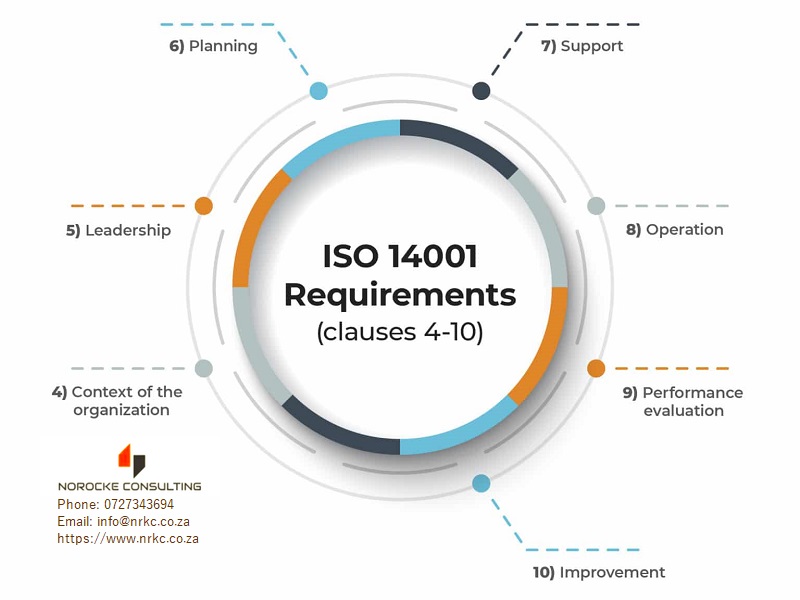
The Blueprint for Success: 7 Pillars of an Effective ISO 14001 EMS

Implementing the ISO 14001 environmental management standard is more than just a box-checking exercise; it’s a strategic move that can drive long-term sustainability and business success. While the framework provides a clear path, a truly successful implementation requires a thoughtful and proactive approach. Here are seven key recommendations to ensure your journey to ISO 14001 certification is smooth and impactful.

1. Secure Top Management Commitment

This is the most critical step. Without the full backing and active participation of top management, the implementation will likely fail. Leaders must not only provide resources but also champion the cause, integrating environmental management into the company’s core business strategy. Their visible commitment signals to employees that this is a serious and valued initiative, not just another project.

2. Form a Dedicated and Cross-Functional Team

An effective implementation requires a team with diverse perspectives. Assemble a team with representatives from different departments, such as operations, HR, finance, and marketing. This ensures that all relevant aspects of the business are considered and that the new processes are seamlessly integrated across the organization.

3. Conduct a Thorough Gap Analysis

Before you start building, you need to know where you stand. A comprehensive gap analysis compares your current environmental practices against the requirements of ISO 14001. This process identifies areas that need improvement and helps you create a realistic and prioritized action plan. It’s the blueprint for your entire implementation project.

4. Engage and Educate Your Employees

Your people are your most valuable asset. Employee engagement is crucial for a successful EMS. Provide training to all employees to help them understand the “what” and the “why” of the ISO 14001 standard. Explain how their daily actions contribute to the company’s environmental goals. When employees feel ownership, they are more likely to embrace the changes and contribute to continuous improvement.

5. Start with a Pilot Project

Don’t try to change the entire organization at once. Consider implementing the EMS in one specific department or a single facility first. A pilot project allows you to test your processes, identify potential issues, and refine your approach before a full-scale rollout. This “learn-as-you-go” strategy minimizes disruption and increases the likelihood of success.

6. Focus on Continual Improvement (The PDCA Cycle)

The heart of ISO 14001 is the Plan-Do-Check-Act (PDCA) cycle. This framework ensures that your EMS is not a one-time project but a continuous process of improvement.

  • Plan: Set environmental objectives and processes.
  • Do: Implement your plan.
  • Check: Monitor and measure the results.
  • Act: Take corrective action to improve performance. This cycle ensures your EMS remains relevant and effective over time.

7. Choose the Right Registrar and Auditor

Selecting the right third-party registrar for your certification audit is a critical final step. Look for an accredited registrar with experience in your industry. A good auditor will not only verify compliance but also provide valuable insights that can help you further improve your environmental performance.

By following these recommendations, your organization can move beyond mere compliance to a truly embedded culture of environmental responsibility, leading to a more sustainable and resilient business.


Recent Post

ISO Certification in Johannesburg: A Step-by-Step Implementation Manual for Gauteng Businesses

  Securing an ISO certificate in Johannesburg is one of the most effective strategic moves a business can make to establish credibility, st...